Dbs101_unit3
Dbs101_unit3
Unit 3: Introduction to SQL 🗺️
Introduction
Welcome to your friendly guide to understanding databases and SQL! This guide transforms lessons 6-8 into an engaging journey through the world of data management. Let’s make databases exciting and approachable! 🚀
Lesson 6: Database Fundamentals - The Foundation
ACID Properties (The Four Guardians of Data)
Every database follows the ACID rules to ensure safe and reliable transactions. Let’s meet our guardians: 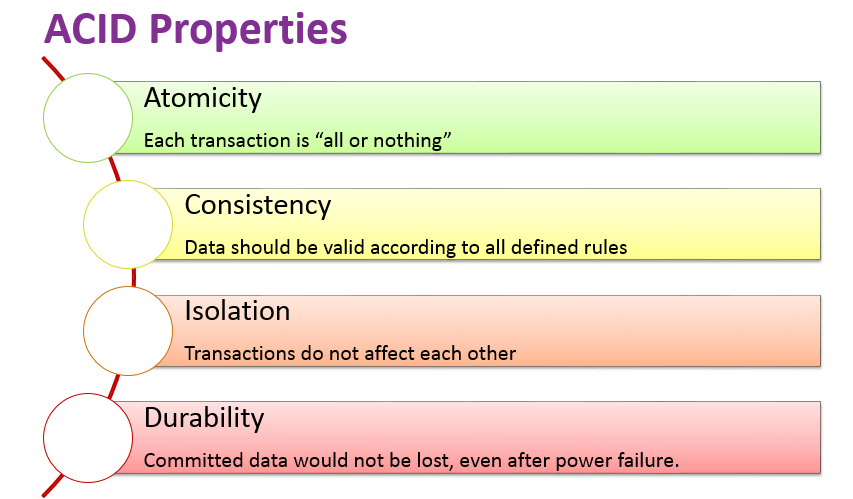
- Atomicity: The “All or Nothing” Hero
- Like ordering a combo meal - you either get everything or nothing!
- Why it matters: Prevents incomplete transactions (imagine only getting half your paycheck 😱).
- Consistency: The “Rules are Rules” Champion
- Ensures data stays valid and follows defined rules.
- Why it matters: Your bank balance always adds up correctly.
- Isolation: The “Personal Space” Defender
- Each transaction happens independently, avoiding conflicts.
- Why it matters: Multiple users can work simultaneously without interference.
- Durability: The “Memory Keeper”
- Once a transaction is saved, it’s permanent, even if the system crashes.
- Why it matters: Your data survives power outages and system failures.
SQL Basics - Your New Best Friend 🛠️
SQL (Structured Query Language) helps us talk to databases. Here are its main components: 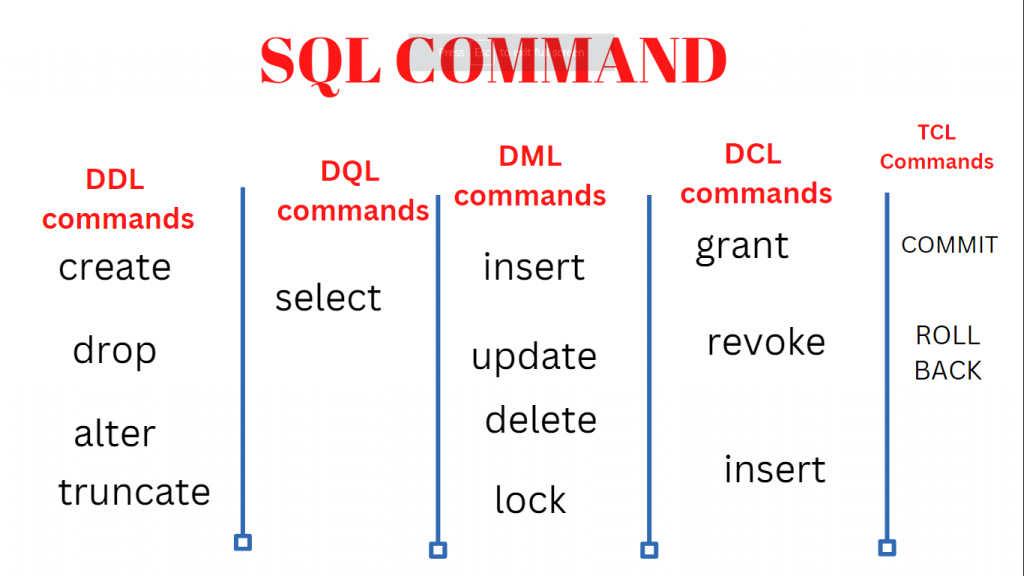
- DDL (Data Definition Language): Defines the structure of your database.
1
2
3
4
5
CREATE TABLE Users (
    ID INT PRIMARY KEY,
    Name VARCHAR(100),
    Email VARCHAR(100)
);
- DML (Data Manipulation Language): Works with existing data.
1
2
INSERT INTO Users (ID, Name, Email)
VALUES (1, 'Sonam', 'sonam@example.com');
- Constraints: Keep your data clean and reliable (e.g., NOT NULL, UNIQUE, PRIMARY KEY).
Lesson 7: SQL Queries - The Art of Data Conversations 🎨
SELECT Statements (The Data Explorer’s Toolkit)
1
2
SELECT * FROM Users;  -- Get everything
SELECT Name, Email FROM Users;  -- Get specific columns
WHERE Clause (The Data Detective)
1
SELECT * FROM Users WHERE Age > 25;  -- Find users older than 25
ORDER BY (The Organizer)
1
SELECT * FROM Users ORDER BY LastName ASC;  -- Sort alphabetically
Lesson 8: Advanced SQL - Leveling Up! 🎮
NULL Values (The Ghost in the Machine)
- NULL is not zero or empty—it means “unknown.”
- Example:
1
SELECT * FROM Users WHERE MiddleName IS NULL;
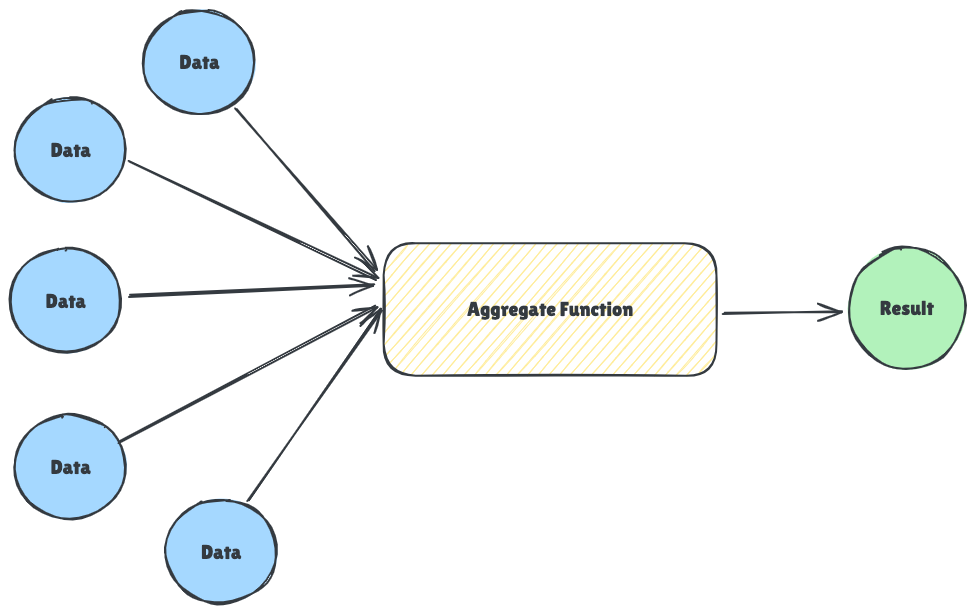
Aggregate Functions (The Math Magicians)
- COUNT(): Counts rows
- AVG(): Finds average
- MAX()/MIN(): Finds highest and lowest values
Example:
1
2
SELECT COUNT(*) FROM Orders;
SELECT AVG(Salary) FROM Employees;
GROUP BY & HAVING (The Party Planners)
1
2
3
4
SELECT Department, AVG(Salary)
FROM Employees
GROUP BY Department
HAVING AVG(Salary) > 50000;
What I’ve Learned & Why It Matters 🎯
- Data Organization: Well-structured data makes information retrieval efficient.
- Query Writing: SQL is like learning a new language to talk to databases.
- Problem Solving: Breaking down complex data questions into simple SQL queries.
Personal Growth & Reflection 🌱
The Journey
- Initially, databases felt intimidating.
- Now, I see them as powerful tools for organizing information.
- Learning to “think in data” has changed my approach to problem-solving.
Key Realizations
- SQL is not just for tech people—it’s useful for anyone working with data.
- Making mistakes is part of learning (DROP TABLE taught me to always have backups! 😅).
- The joy of writing a query and getting exactly the data you need is unmatched!
Future Applications
- Understanding how websites store user data.
- Making data-driven decisions.
- Exploring more advanced database concepts like joins and indexing.
Fun Tips to Remember 🎈
- Think of databases as libraries, tables as books, and queries as library cards.
- NULL is just the database saying “¯\_(ツ)_/¯”.
- Always backup before you DROP (I learned this the hard way!).
- SQL is like having a polite conversation with your data.
Conclusion
Databases aren’t just storage—they’re the backbone of modern applications. Learning SQL is like gaining a superpower in today’s data-driven world. Keep practicing, stay curious, and remember: every expert started as a beginner! 🚀
This post is licensed under CC BY 4.0 by the author.